
Back to catalog
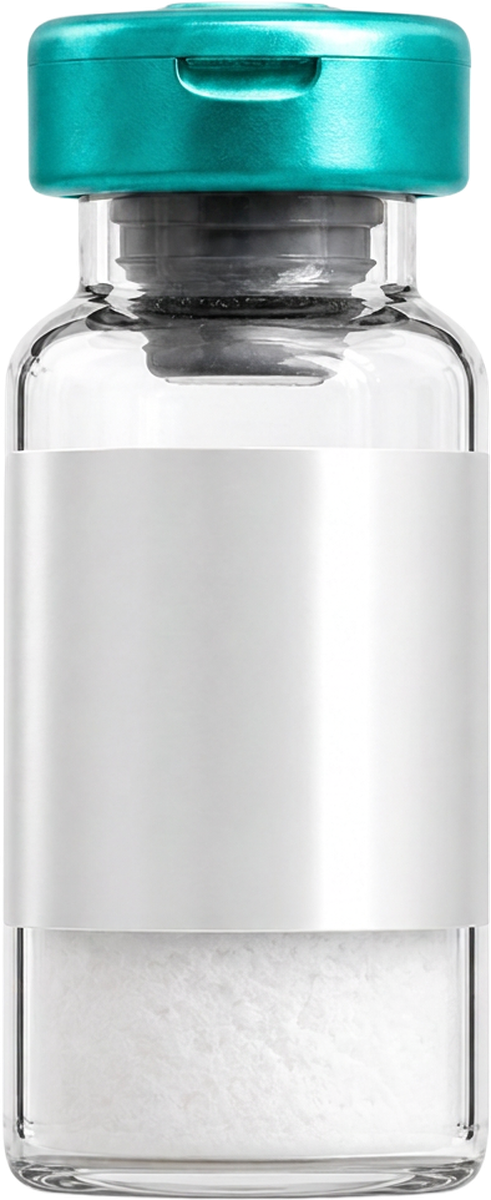
Retatrutide 3ml vial label
Weight ManagementPurity 99.1%
Product profile

Retatrutide

Triple-agonist research peptide targeting GLP-1, GIP and glucagon receptors.

99.1%
Purity
Lyophilized
Form
-20°C
Storage
Research Use Only. Not for human or veterinary consumption, diagnostic, or therapeutic use.

What it is

Retatrutide is a novel triple receptor agonist under investigation for its multi-pathway effects on metabolic regulation.

Pathway Diagram

Mechanism of Action

CRL · MOA-01

Simultaneous agonism of GLP-1R, GIP-R and glucagon receptors modulates insulin sensitivity, satiety signaling and energy expenditure.

  1. Step 01
    Receptor Binding

    Peptide engages target receptor with high affinity.

  2. Step 02
    Signal Cascade

    Downstream intracellular pathways activate.

  3. Step 03
    Cellular Response

    Gene expression and protein synthesis shift.

  4. Step 04
    Observed Outcome

    Measurable change in the studied biomarker.

Primary TargetsAdipose tissue researchGlycemic control studiesEnergy expenditure modeling

Research highlights

First-in-class triple agonist of GLP-1R, GIP-R and glucagon receptor.
Phase 2 trials demonstrated dose-dependent weight reduction up to ~24% at 48 weeks.
Glucagon arm increases energy expenditure in addition to incretin-mediated satiety.
Improves glycemic control with a tolerability profile comparable to dual agonists.

Pharmacology snapshot

4731 Da
Molecular weight
~6 days
Half-life
Weekly SC (research)
Route (research)

Potential research applications

Adipose tissue research
Glycemic control studies
Energy expenditure modeling
Metabolic syndrome research

Case studies

Clinical48 weeks

Phase 2 obesity trial

Cohort: 338 adults with obesity

Randomized, double-blind, placebo-controlled phase 2 of retatrutide across multiple dose cohorts in adults with obesity (BMI ≥30).

Outcome

Up to −24.2% mean body weight at 12 mg; dose-dependent reductions in waist circumference and lipids.

Jastreboff et al., NEJM 2023;389(6):514–526
Clinical36 weeks

Type 2 diabetes phase 2

Cohort: 281 adults with T2D

Compared retatrutide to placebo and dulaglutide on HbA1c, weight and metabolic markers in T2D.

Outcome

HbA1c reductions up to 2.0% and weight loss up to 16.9% at top dose vs. comparators.

Rosenstock et al., Lancet 2023;402(10401):529–544
Preclinical8 weeks

Mechanistic pharmacology

Cohort: Rodent obesity models

Characterized LY3437943 receptor engagement and metabolic effects ahead of clinical trials.

Outcome

Demonstrated additive effect of glucagon arm on energy expenditure and lipid mobilization.

Coskun et al., Cell Metab 2022;34(9):1234–1247
Handling Protocol

Storage Guidelines

CRL · STR-02

Lyophilized at -20°C. Protect from light. Reconstitute with bacteriostatic water for short-term studies.

Lyophilized
-20°C
Long-term, 24 months
Reconstituted
2–8°C
Refrigerated, 28 days
Light Exposure
Protect
Store in dark vial
Diluent
BAC Water
Sterile, 0.9% benzyl
Best practice — reconstitute with bacteriostatic water, swirl gently, do not shake.
Regulatory Notice

Research Disclaimer

CRL · REG-03
Research Use Only

Strictly for in-vitro laboratory and research investigations.

Not For Human Use

Not approved for diagnostic, therapeutic, or veterinary application.

Qualified Personnel

Handling restricted to licensed researchers and laboratory staff.

Warning — Retatrutide is supplied solely for legitimate laboratory research. Any administration to humans or animals is strictly prohibited and may violate federal, state, or local law. By purchasing, the researcher accepts full responsibility for safe handling, storage, and lawful use.

Document · CRL-REG-03Revision 2026.06 · Clinical Research Labs
Representative Literature

Citations & References

CRL · REF-04
  1. 01
    Jastreboff AM, Kaplan LM, Frías JP, et al. · 2023
    Triple-hormone-receptor agonist retatrutide for obesity — a phase 2 trial
    New England Journal of Medicine. 389(6):514–526.
References are representative of peer-reviewed literature and are provided for research context only.
Document · CRL-REF-04Revision 2026.06 · Clinical Research Labs