
Back to catalog
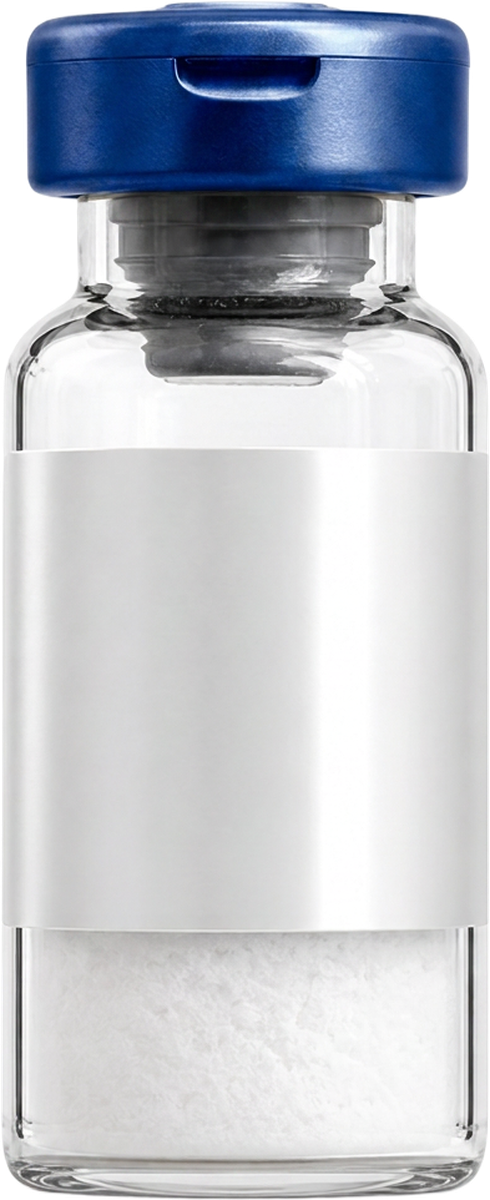
Pinealon 3ml vial label
CognitivePurity 99.0%
Product profile

Pinealon

Pineal-derived tripeptide for neuroprotection research.

99.0%
Purity
Lyophilized
Form
-20°C
Storage
Research Use Only. Not for human or veterinary consumption, diagnostic, or therapeutic use.

What it is

Pinealon is a synthetic tripeptide (Glu-Asp-Arg) derived from pineal-gland peptide research, investigated for neuroprotective and antioxidant pathways.

Pathway Diagram

Mechanism of Action

CRL · MOA-01

Crosses the blood-brain barrier, modulates neuronal ROS production and apoptotic signaling under hypoxic stress.

  1. Step 01
    Receptor Binding

    Peptide engages target receptor with high affinity.

  2. Step 02
    Signal Cascade

    Downstream intracellular pathways activate.

  3. Step 03
    Cellular Response

    Gene expression and protein synthesis shift.

  4. Step 04
    Observed Outcome

    Measurable change in the studied biomarker.

Primary TargetsNeuroprotection researchCognitive aging modelsHypoxia/ischemia studies

Research highlights

Short tripeptide modeled on Cortexin neuropeptide complex.
Crosses blood-brain barrier; activity at low doses in research.
Reduces neuronal ROS and apoptotic signaling under hypoxia.
Investigated for prenatal neuroprotection in hyperhomocysteinemia models.

Pharmacology snapshot

418.4 Da
Molecular weight
Short (rapid clearance)
Half-life
Intranasal / SC (research)
Route (research)
Sequence
Glu-Asp-Arg

Potential research applications

Neuroprotection research
Cognitive aging models
Hypoxia/ischemia studies
Antioxidant pathway research

Case studies

Preclinical

Short peptide gene regulation

Cohort: Cellular & in vivo cohorts

Reviewed mechanisms by which short peptides like Pinealon regulate gene expression.

Outcome

Identified DNA-binding and transcription-modulating activity for short peptides.

Khavinson et al., Bull Exp Biol Med 2014;162(2):288–292
In vivoGestation

Prenatal hyperhomocysteinemia

Cohort: Pregnant rats + offspring

Pinealon administration during HHCY-induced developmental stress.

Outcome

Reduced oxidative damage and improved offspring neurodevelopment markers.

Arutjunyan et al., Int J Clin Exp Med 2012;5(2):179–185
ObservationalMulti-year

Geroprotector peptide bioregulators

Cohort: Longitudinal human cohort

Reviewed peptide bioregulator class including Pinealon as geroprotectors.

Outcome

Documented reductions in mortality markers across long-term studies.

Khavinson et al., Adv Gerontol 2013;26(1):20–37
Handling Protocol

Storage Guidelines

CRL · STR-02

Lyophilized -20°C.

Lyophilized
-20°C
Long-term, 24 months
Reconstituted
2–8°C
Refrigerated, 28 days
Light Exposure
Protect
Store in dark vial
Diluent
BAC Water
Sterile, 0.9% benzyl
Best practice — reconstitute with bacteriostatic water, swirl gently, do not shake.
Regulatory Notice

Research Disclaimer

CRL · REG-03
Research Use Only

Strictly for in-vitro laboratory and research investigations.

Not For Human Use

Not approved for diagnostic, therapeutic, or veterinary application.

Qualified Personnel

Handling restricted to licensed researchers and laboratory staff.

Warning — Pinealon is supplied solely for legitimate laboratory research. Any administration to humans or animals is strictly prohibited and may violate federal, state, or local law. By purchasing, the researcher accepts full responsibility for safe handling, storage, and lawful use.

Document · CRL-REG-03Revision 2026.06 · Clinical Research Labs
Representative Literature

Citations & References

CRL · REF-04
  1. 01
    Khavinson VK, Lin'kova NS, Tarnovskaya SI. · 2014
    Short peptides regulate gene expression
    Bull Exp Biol Med. 162(2):288–292.
  2. 02
    Arutjunyan A, Kozina L, Stvolinskiy S, et al. · 2012
    Pinealon protects the rat offspring from prenatal hyperhomocysteinemia
    Int J Clin Exp Med. 5(2):179–185.
  3. 03
    Khavinson VK, Kuznik BI, Ryzhak GA. · 2013
    Peptide bioregulators: a new class of geroprotectors. Communication 2
    Adv Gerontol. 26(1):20–37.
References are representative of peer-reviewed literature and are provided for research context only.
Document · CRL-REF-04Revision 2026.06 · Clinical Research Labs