
Back to catalog
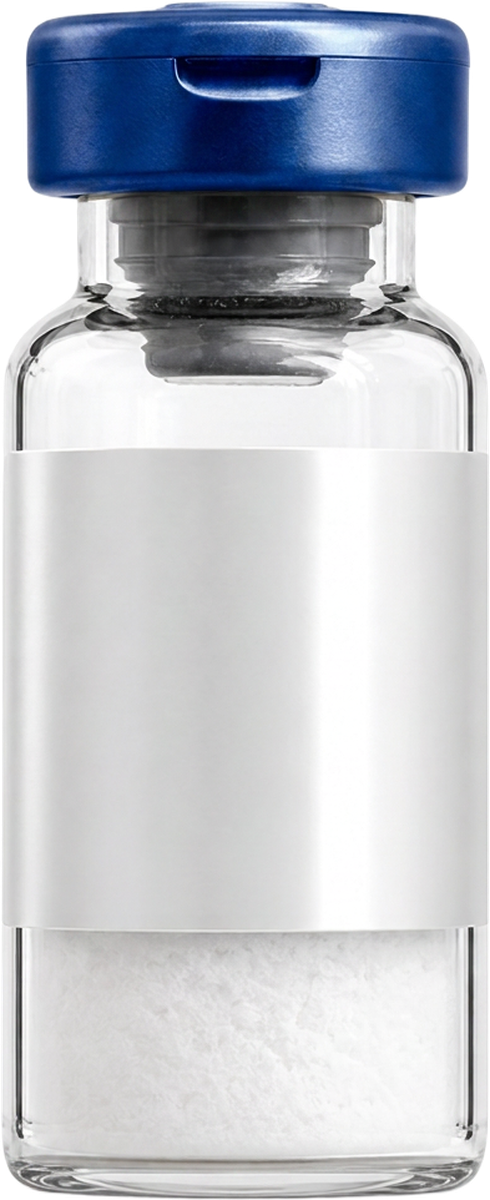
Oxytocin 3ml vial label
CognitivePurity 99.2%
Product profile

Oxytocin

Nonapeptide neurohormone for social-behavior research.

99.2%
Purity
Lyophilized
Form
-20°C
Storage
Research Use Only. Not for human or veterinary consumption, diagnostic, or therapeutic use.

What it is

Oxytocin is a nonapeptide neurohormone studied in social cognition, attachment, and reproductive physiology research.

Pathway Diagram

Mechanism of Action

CRL · MOA-01

Activates the OXTR G-protein coupled receptor, modulating CNS social-behavior circuits and peripheral smooth-muscle contraction.

  1. Step 01
    Receptor Binding

    Peptide engages target receptor with high affinity.

  2. Step 02
    Signal Cascade

    Downstream intracellular pathways activate.

  3. Step 03
    Cellular Response

    Gene expression and protein synthesis shift.

  4. Step 04
    Observed Outcome

    Measurable change in the studied biomarker.

Primary TargetsSocial-cognition researchAttachment & trust modelsLactation & parturition studies

Research highlights

Nine-amino-acid neurohormone produced by hypothalamic paraventricular nucleus.
Increases trust and prosocial behavior in human research models.
Modulates fear extinction and amygdala reactivity.
Peripheral effects on uterine contraction and milk ejection.

Pharmacology snapshot

1007.2 Da
Molecular weight
~3 minutes (plasma)
Half-life
Intranasal / IV (research)
Route (research)
Sequence
Cys-Tyr-Ile-Gln-Asn-Cys-Pro-Leu-Gly-NH2 (disulfide)

Potential research applications

Social-cognition research
Attachment & trust models
Lactation & parturition studies
Anxiolytic pathway research

Case studies

ClinicalSingle dose

Oxytocin & human trust

Cohort: 194 healthy male participants

Trust game study comparing intranasal oxytocin to placebo.

Outcome

Oxytocin significantly increased monetary investment behavior in trust task.

Kosfeld et al., Nature 2005;435(7042):673–676
Preclinical

Oxytocin & social behavior review

Cohort: Multi-trial synthesis

Reviewed oxytocin/vasopressin in human social-behavior research.

Outcome

Documented modulation of social cognition, anxiety and pair-bonding.

Heinrichs et al., Front Neuroendocrinol 2009;30(4):548–557
PreclinicalMulti-week

Brain oxytocin in emotion

Cohort: Rodent behavioral models

Reviewed central oxytocin pathways in emotion regulation.

Outcome

Confirmed anxiolytic and stress-buffering CNS oxytocin effects.

Neumann, J Neuroendocrinol 2008;20(6):858–865
Handling Protocol

Storage Guidelines

CRL · STR-02

Lyophilized -20°C. Reconstituted: 2–8°C, 14 days.

Lyophilized
-20°C
Long-term, 24 months
Reconstituted
2–8°C
Refrigerated, 28 days
Light Exposure
Protect
Store in dark vial
Diluent
BAC Water
Sterile, 0.9% benzyl
Best practice — reconstitute with bacteriostatic water, swirl gently, do not shake.
Regulatory Notice

Research Disclaimer

CRL · REG-03
Research Use Only

Strictly for in-vitro laboratory and research investigations.

Not For Human Use

Not approved for diagnostic, therapeutic, or veterinary application.

Qualified Personnel

Handling restricted to licensed researchers and laboratory staff.

Warning — Oxytocin is supplied solely for legitimate laboratory research. Any administration to humans or animals is strictly prohibited and may violate federal, state, or local law. By purchasing, the researcher accepts full responsibility for safe handling, storage, and lawful use.

Document · CRL-REG-03Revision 2026.06 · Clinical Research Labs
Representative Literature

Citations & References

CRL · REF-04
  1. 01
    Kosfeld M, Heinrichs M, Zak PJ, et al. · 2005
    Oxytocin increases trust in humans
    Nature. 435(7042):673–676.
  2. 02
    Heinrichs M, von Dawans B, Domes G. · 2009
    Oxytocin, vasopressin, and human social behavior
    Front Neuroendocrinol. 30(4):548–557.
References are representative of peer-reviewed literature and are provided for research context only.
Document · CRL-REF-04Revision 2026.06 · Clinical Research Labs