Back to catalog
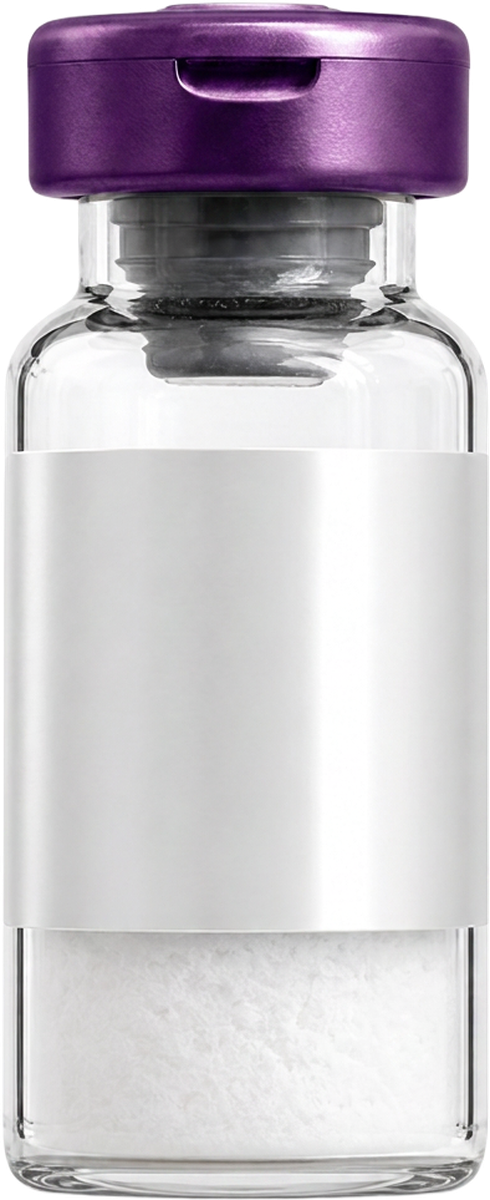
NAD+ 3ml vial label
LongevityPurity 99.6%
Product profile

NAD+

Nicotinamide adenine dinucleotide — central redox cofactor.

99.6%
Purity
Lyophilized
Form
-20°C
Storage
Research Use Only. Not for human or veterinary consumption, diagnostic, or therapeutic use.

What it is

NAD+ is a coenzyme central to redox reactions and sirtuin signaling, widely studied in longevity research.

Pathway Diagram

Mechanism of Action

CRL · MOA-01

Substrate for sirtuins and PARPs; regulates metabolic and DNA-repair signaling cascades.

  1. Step 01
    Receptor Binding

    Peptide engages target receptor with high affinity.

  2. Step 02
    Signal Cascade

    Downstream intracellular pathways activate.

  3. Step 03
    Cellular Response

    Gene expression and protein synthesis shift.

  4. Step 04
    Observed Outcome

    Measurable change in the studied biomarker.

Primary TargetsSirtuin activationMitochondrial researchDNA repair studies

Research highlights

Central redox cofactor and obligate substrate for sirtuins and PARPs.
Tissue NAD+ declines with age in mammalian models.
NAD+ repletion improves mitochondrial function and DNA repair capacity.
Precursors NMN and NR translate to clinical NAD+ elevation.

Pharmacology snapshot

663.4 Da
Molecular weight
Cofactor (tissue half-lives vary by compartment)
Half-life
IV / SC (research, precursor PO)
Route (research)

Potential research applications

Sirtuin activation
Mitochondrial research
DNA repair studies
Aging models

Case studies

Preclinical

NAD+ & sirtuins in aging review

Cohort: Cross-model synthesis

Foundational review of NAD+/sirtuin axis in age-related decline.

Outcome

Linked NAD+ decline to sirtuin hypoactivity and downstream metabolic dysfunction.

Imai & Guarente, Trends Cell Biol 2014;24(8):464–471
Preclinical

NMN/NR therapeutic potential

Cohort: Murine + early human studies

Translational review of NAD+ precursor pharmacology and biomarker effects.

Outcome

Documented insulin-sensitivity, mitochondrial and vascular improvements with NMN/NR.

Yoshino et al., Cell Metab 2018;27(3):513–528
Preclinical

In vivo evidence for NAD+ boosters

Cohort: Multiple aging cohorts

Aggregated in vivo evidence across mouse longevity, metabolic and neuro studies.

Outcome

Consistent improvements in healthspan markers across independent labs.

Rajman et al., Cell Metab 2018;27(3):529–547
Handling Protocol

Storage Guidelines

CRL · STR-02

Lyophilized -20°C, protect from light and moisture.

Lyophilized
-20°C
Long-term, 24 months
Reconstituted
2–8°C
Refrigerated, 28 days
Light Exposure
Protect
Store in dark vial
Diluent
BAC Water
Sterile, 0.9% benzyl
Best practice — reconstitute with bacteriostatic water, swirl gently, do not shake.
Regulatory Notice

Research Disclaimer

CRL · REG-03
Research Use Only

Strictly for in-vitro laboratory and research investigations.

Not For Human Use

Not approved for diagnostic, therapeutic, or veterinary application.

Qualified Personnel

Handling restricted to licensed researchers and laboratory staff.

Warning — NAD+ is supplied solely for legitimate laboratory research. Any administration to humans or animals is strictly prohibited and may violate federal, state, or local law. By purchasing, the researcher accepts full responsibility for safe handling, storage, and lawful use.

Document · CRL-REG-03Revision 2026.06 · Clinical Research Labs
Representative Literature

Citations & References

CRL · REF-04
  1. 01
    Imai S, Guarente L. · 2014
    NAD+ and sirtuins in aging and disease
    Trends in Cell Biology. 24(8):464–471.
References are representative of peer-reviewed literature and are provided for research context only.
Document · CRL-REF-04Revision 2026.06 · Clinical Research Labs