
Back to catalog
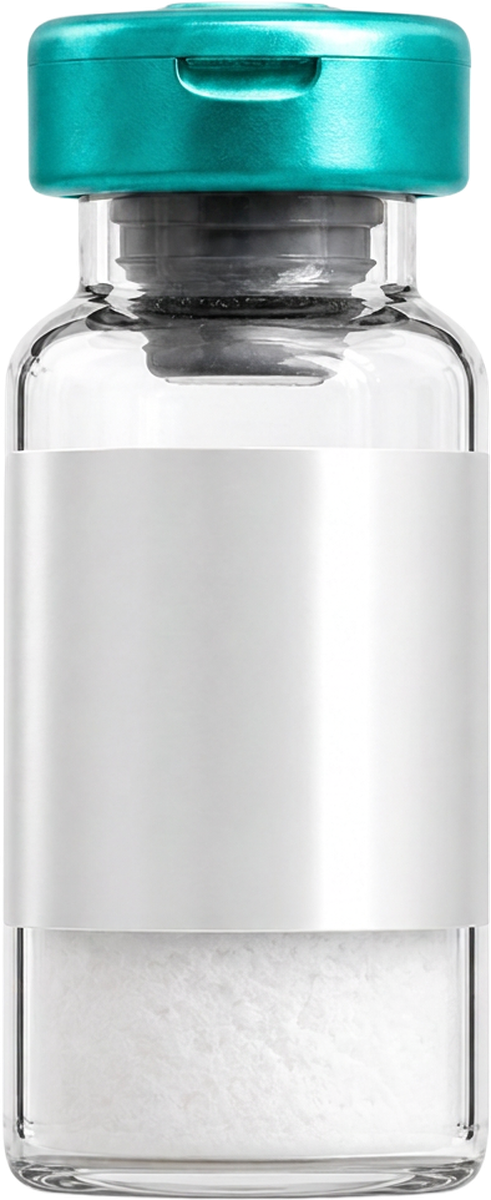
MOTS-C 3ml vial label
MitochondrialPurity 99.0%
Product profile

MOTS-C

Mitochondrial-derived peptide regulating cellular energy.

99.0%
Purity
Lyophilized
Form
-20°C
Storage
Research Use Only. Not for human or veterinary consumption, diagnostic, or therapeutic use.

What it is

MOTS-C is a 16-amino-acid peptide encoded within mitochondrial DNA, studied for its role in metabolic homeostasis.

Pathway Diagram

Mechanism of Action

CRL · MOA-01

Activates AMPK signaling and translocates to the nucleus to regulate adaptive stress-response genes.

  1. Step 01
    Receptor Binding

    Peptide engages target receptor with high affinity.

  2. Step 02
    Signal Cascade

    Downstream intracellular pathways activate.

  3. Step 03
    Cellular Response

    Gene expression and protein synthesis shift.

  4. Step 04
    Observed Outcome

    Measurable change in the studied biomarker.

Primary TargetsMitochondrial biogenesisGlucose uptake studiesCellular stress response

Research highlights

Mitochondrial-encoded peptide regulating nuclear stress-response genes.
Activates AMPK and improves insulin sensitivity in HFD mouse models.
Exercise-induced; circulating levels decline with age.
Restores muscle physical capacity in aged-rodent studies.

Pharmacology snapshot

2174 Da
Molecular weight
Short (rapid clearance, research)
Half-life
IP / SC (research)
Route (research)
Sequence
MRWQEMGYIFYPRKLR

Potential research applications

Mitochondrial biogenesis
Glucose uptake studies
Cellular stress response
Aging research

Case studies

In vivo8 weeks

HFD insulin resistance reversal

Cohort: C57BL/6 mice on high-fat diet

Daily MOTS-c administration during HFD challenge with glucose-tolerance and insulin assays.

Outcome

Prevented HFD-induced obesity and reversed insulin resistance via AMPK activation.

Lee et al., Cell Metab 2015;21(3):443–454
In vivo2 weeks training

Age-related physical decline

Cohort: Young vs. aged mice (exercise model)

Examined MOTS-c as an exercise-induced regulator of muscle homeostasis in aging.

Outcome

Restored running capacity and grip strength in aged mice to near-young levels.

Reynolds et al., Nat Commun 2021;12:470
Preclinical4 weeks

Plasma metabolite remodeling

Cohort: Mouse metabolic cohort

Metabolomic profiling under MOTS-c treatment with insulin-sensitivity assays.

Outcome

Improved insulin sensitivity correlating with shifts in lipid and amino-acid metabolites.

Kim et al., Physiol Rep 2019;7(13):e14171
Handling Protocol

Storage Guidelines

CRL · STR-02

Store lyophilized at -20°C, protect from light.

Lyophilized
-20°C
Long-term, 24 months
Reconstituted
2–8°C
Refrigerated, 28 days
Light Exposure
Protect
Store in dark vial
Diluent
BAC Water
Sterile, 0.9% benzyl
Best practice — reconstitute with bacteriostatic water, swirl gently, do not shake.
Regulatory Notice

Research Disclaimer

CRL · REG-03
Research Use Only

Strictly for in-vitro laboratory and research investigations.

Not For Human Use

Not approved for diagnostic, therapeutic, or veterinary application.

Qualified Personnel

Handling restricted to licensed researchers and laboratory staff.

Warning — MOTS-C is supplied solely for legitimate laboratory research. Any administration to humans or animals is strictly prohibited and may violate federal, state, or local law. By purchasing, the researcher accepts full responsibility for safe handling, storage, and lawful use.

Document · CRL-REG-03Revision 2026.06 · Clinical Research Labs
Representative Literature

Citations & References

CRL · REF-04
References are representative of peer-reviewed literature and are provided for research context only.
Document · CRL-REF-04Revision 2026.06 · Clinical Research Labs