
Back to catalog
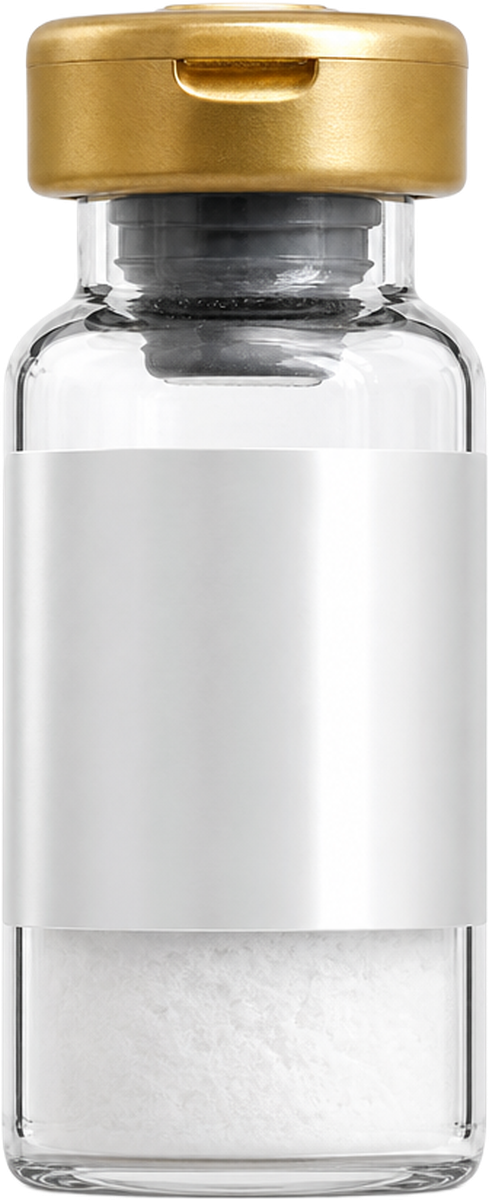
LL-37 3ml vial label
ImmunePurity 98.5%
Product profile

LL-37

Human cathelicidin antimicrobial peptide for immune research.

98.5%
Purity
Lyophilized
Form
-20°C
Storage
Research Use Only. Not for human or veterinary consumption, diagnostic, or therapeutic use.

What it is

LL-37 is the only human cathelicidin, a 37-residue cationic peptide central to innate-immune defense and wound-healing research.

Pathway Diagram

Mechanism of Action

CRL · MOA-01

Disrupts microbial membranes, modulates TLR signaling, and recruits/activates immune cells.

  1. Step 01
    Receptor Binding

    Peptide engages target receptor with high affinity.

  2. Step 02
    Signal Cascade

    Downstream intracellular pathways activate.

  3. Step 03
    Cellular Response

    Gene expression and protein synthesis shift.

  4. Step 04
    Observed Outcome

    Measurable change in the studied biomarker.

Primary TargetsInnate immunity researchAntimicrobial pathway studiesWound-healing models

Research highlights

Only human cathelicidin; expressed by neutrophils, epithelia and immune cells.
Direct antimicrobial activity vs. bacteria, fungi, and enveloped viruses.
Modulates TLR signaling and chemoattracts neutrophils, monocytes, T-cells.
Promotes re-epithelialization in wound-healing models.

Pharmacology snapshot

4493.3 Da
Molecular weight
Short (rapid clearance)
Half-life
Topical / SC (research)
Route (research)

Potential research applications

Innate immunity research
Antimicrobial pathway studies
Wound-healing models
Inflammation modulation

Case studies

Preclinical

Comprehensive LL-37 review

Cohort: Cross-system synthesis

Reviewed antimicrobial, immunomodulatory and barrier roles of LL-37.

Outcome

Catalogued multifunctional roles spanning innate defense and inflammation.

Vandamme et al., Cell Immunol 2012;280(1):22–35
In vitroDays–weeks

LL-37 in skin re-epithelialization

Cohort: Human keratinocyte cultures + wound biopsies

Identified LL-37 expression in wound edges and tested in keratinocyte migration.

Outcome

Demonstrated LL-37 required for normal re-epithelialization of human wounds.

Heilborn et al., J Invest Dermatol 2003;120(3):379–389
Preclinical

Cathelicidin family structure-function

Cohort: Cross-species synthesis

Reviewed cathelicidin family with focus on LL-37 structure-function.

Outcome

Established membrane-disruption and immunomodulatory mechanisms.

Dürr et al., BBA Biomembranes 2006;1758(9):1408–1425
Handling Protocol

Storage Guidelines

CRL · STR-02

Lyophilized -20°C.

Lyophilized
-20°C
Long-term, 24 months
Reconstituted
2–8°C
Refrigerated, 28 days
Light Exposure
Protect
Store in dark vial
Diluent
BAC Water
Sterile, 0.9% benzyl
Best practice — reconstitute with bacteriostatic water, swirl gently, do not shake.
Regulatory Notice

Research Disclaimer

CRL · REG-03
Research Use Only

Strictly for in-vitro laboratory and research investigations.

Not For Human Use

Not approved for diagnostic, therapeutic, or veterinary application.

Qualified Personnel

Handling restricted to licensed researchers and laboratory staff.

Warning — LL-37 is supplied solely for legitimate laboratory research. Any administration to humans or animals is strictly prohibited and may violate federal, state, or local law. By purchasing, the researcher accepts full responsibility for safe handling, storage, and lawful use.

Document · CRL-REG-03Revision 2026.06 · Clinical Research Labs
Representative Literature

Citations & References

CRL · REF-04
  1. 03
    Dürr UH, Sudheendra US, Ramamoorthy A. · 2006
    LL-37, the only human member of the cathelicidin family of antimicrobial peptides
    Biochim Biophys Acta. 1758(9):1408–1425.
References are representative of peer-reviewed literature and are provided for research context only.
Document · CRL-REF-04Revision 2026.06 · Clinical Research Labs