
Back to catalog
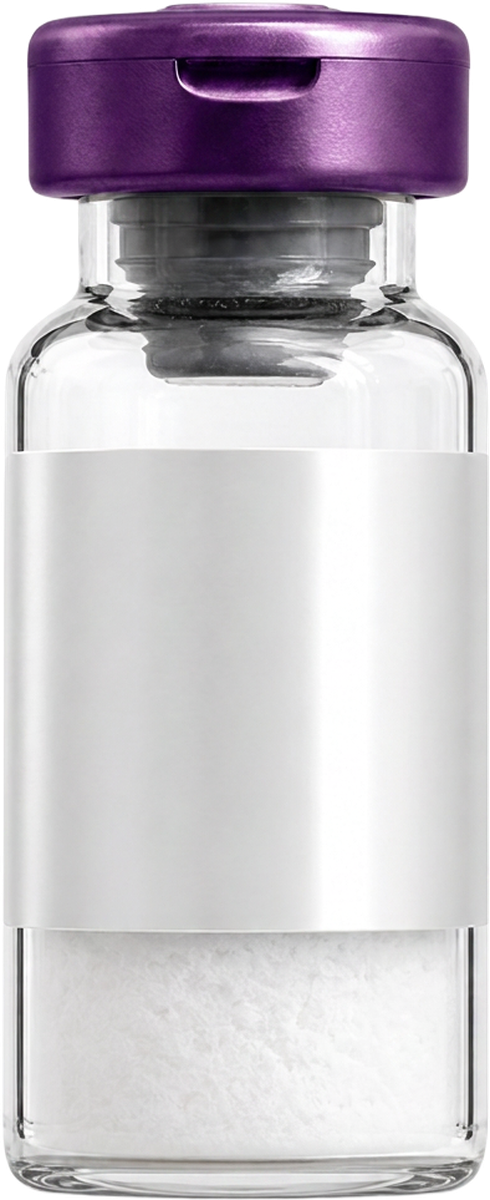
Epithalon 3ml vial label
LongevityPurity 99.2%
Product profile

Epithalon

Pineal tetrapeptide investigated for telomere & aging research.

99.2%
Purity
Lyophilized
Form
USA
Origin
-20°C
Storage
Research Use Only. Not for human or veterinary consumption, diagnostic, or therapeutic use.

What it is

Epithalon (Epitalon) is a synthetic tetrapeptide derived from a pineal-gland polypeptide complex, studied for telomere maintenance and aging research.

Pathway Diagram

Mechanism of Action

CRL · MOA-01

Up-regulates telomerase expression in somatic cell cultures and modulates pineal-melatonin signaling.

  1. Step 01
    Receptor Binding

    Peptide engages target receptor with high affinity.

  2. Step 02
    Signal Cascade

    Downstream intracellular pathways activate.

  3. Step 03
    Cellular Response

    Gene expression and protein synthesis shift.

  4. Step 04
    Observed Outcome

    Measurable change in the studied biomarker.

Primary TargetsTelomere biologyPineal & circadian researchAging biomarker studies

Research highlights

Synthetic tetrapeptide modeled on the pineal Epithalamin complex.
Induces telomerase activity in human somatic cell cultures.
Suppresses spontaneous tumor formation in HER-2/neu transgenic mice.
Associated with lifespan extension in rodent geroprotector studies.

Pharmacology snapshot

390.4 Da
Molecular weight
Short (peptide, research)
Half-life
SC / IM (research)
Route (research)
Sequence
Ala-Glu-Asp-Gly

Potential research applications

Telomere biology
Pineal & circadian research
Aging biomarker studies
Oncology models

Case studies

In vitroMultiple passages

Telomerase induction in somatic cells

Cohort: Human fetal lung fibroblasts

Tested Epithalon effect on telomerase activity and telomere length in somatic cells.

Outcome

Induced telomerase activity and elongated telomeres in cultured cells.

Khavinson et al., Bull Exp Biol Med 2003;135(6):590–592
In vivoLifespan

Mammary tumor inhibition

Cohort: HER-2/neu transgenic mice

Long-term Epithalon administration in spontaneous-tumor transgenic model.

Outcome

Reduced incidence and slowed progression of mammary adenocarcinomas.

Anisimov et al., Int J Cancer 2002;101(1):7–10
ObservationalMulti-year

Pineal & thymic peptides — lifespan

Cohort: Elderly human cohort

Long-term observational program with pineal/thymic peptide combination.

Outcome

Reported reduced mortality in treated cohort vs. controls.

Khavinson & Morozov, Neuro Endocrinol Lett 2003;24(3-4):233–240
Handling Protocol

Storage Guidelines

CRL · STR-02

Lyophilized -20°C, light-protected.

Lyophilized
-20°C
Long-term, 24 months
Reconstituted
2–8°C
Refrigerated, 28 days
Light Exposure
Protect
Store in dark vial
Diluent
BAC Water
Sterile, 0.9% benzyl
Best practice — reconstitute with bacteriostatic water, swirl gently, do not shake.
Regulatory Notice

Research Disclaimer

CRL · REG-03
Research Use Only

Strictly for in-vitro laboratory and research investigations.

Not For Human Use

Not approved for diagnostic, therapeutic, or veterinary application.

Qualified Personnel

Handling restricted to licensed researchers and laboratory staff.

Warning — Epithalon is supplied solely for legitimate laboratory research. Any administration to humans or animals is strictly prohibited and may violate federal, state, or local law. By purchasing, the researcher accepts full responsibility for safe handling, storage, and lawful use.

Document · CRL-REG-03Revision 2026.06 · Clinical Research Labs
Representative Literature

Citations & References

CRL · REF-04
  1. 03
    Khavinson VK, Morozov VG. · 2003
    Peptides of pineal gland and thymus prolong human life
    Neuro Endocrinol Lett. 24(3-4):233–240.
References are representative of peer-reviewed literature and are provided for research context only.
Document · CRL-REF-04Revision 2026.06 · Clinical Research Labs