
Back to catalog
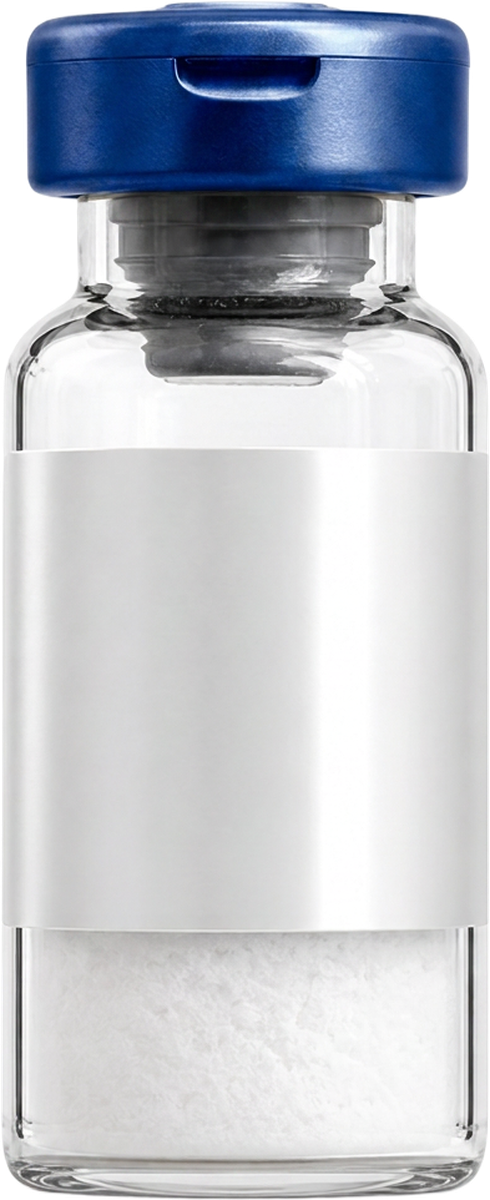
Admax 3ml vial label
CognitivePurity 98.0%
Product profile

Admax

Adaptogenic phyto-complex used in stress-response research.

98.0%
Purity
Lyophilized
Form
-20°C
Storage
Research Use Only. Not for human or veterinary consumption, diagnostic, or therapeutic use.

What it is

Admax is a standardized phyto-complex of Rhodiola rosea, Eleutherococcus senticosus, Leuzea carthamoides and Schisandra chinensis studied for adaptogenic and stress-response research.

Pathway Diagram

Mechanism of Action

CRL · MOA-01

Adaptogen blend modulates HPA-axis output, cortisol kinetics, and monoaminergic tone in stress research models.

  1. Step 01
    Receptor Binding

    Peptide engages target receptor with high affinity.

  2. Step 02
    Signal Cascade

    Downstream intracellular pathways activate.

  3. Step 03
    Cellular Response

    Gene expression and protein synthesis shift.

  4. Step 04
    Observed Outcome

    Measurable change in the studied biomarker.

Primary TargetsStress-response researchFatigue & endurance modelsCognitive performance studies

Research highlights

Multi-herb adaptogen complex (Rhodiola, Eleutherococcus, Leuzea, Schisandra).
Modulates HPA-axis output under acute and chronic stress.
Standardized to active adaptogen markers across batches.
Investigated for fatigue resistance and cognitive endurance.

Pharmacology snapshot

Phyto-complex (n/a)
Molecular weight
Variable per phytochemical
Half-life
Oral (research)
Route (research)

Potential research applications

Stress-response research
Fatigue & endurance models
Cognitive performance studies
Immune adaptation research

Case studies

Preclinical

Adaptogens & CNS molecular mechanisms

Cohort: Cross-model synthesis

Reviewed evidence on stress-protective molecular targets of adaptogen plants.

Outcome

Documented NPY/Hsp72/cortisol-axis modulation as shared mechanisms.

Panossian & Wikman, Pharmaceuticals 2010;3(1):188–224
Preclinical

Rhodiola pharmacology review

Cohort: Clinical + preclinical evidence

Pharmacological review of Rhodiola rosea as core adaptogen component.

Outcome

Convergent evidence for anti-fatigue and stress-buffering activity.

Panossian et al., Phytomedicine 2010;17(7):481–493
ClinicalSingle dose

Single-dose adaptogen stimulation

Cohort: Cross-trial synthesis

Examined acute stimulant effects of adaptogens on cognitive and physical endurance.

Outcome

Statistically significant acute stimulant effect across multiple studies.

Panossian & Wagner, Phytother Res 2005;19(10):819–838
Handling Protocol

Storage Guidelines

CRL · STR-02

Store dry at room temperature, protect from light.

Lyophilized
-20°C
Long-term, 24 months
Reconstituted
2–8°C
Refrigerated, 28 days
Light Exposure
Protect
Store in dark vial
Diluent
BAC Water
Sterile, 0.9% benzyl
Best practice — reconstitute with bacteriostatic water, swirl gently, do not shake.
Regulatory Notice

Research Disclaimer

CRL · REG-03
Research Use Only

Strictly for in-vitro laboratory and research investigations.

Not For Human Use

Not approved for diagnostic, therapeutic, or veterinary application.

Qualified Personnel

Handling restricted to licensed researchers and laboratory staff.

Warning — Admax is supplied solely for legitimate laboratory research. Any administration to humans or animals is strictly prohibited and may violate federal, state, or local law. By purchasing, the researcher accepts full responsibility for safe handling, storage, and lawful use.

Document · CRL-REG-03Revision 2026.06 · Clinical Research Labs
Representative Literature

Citations & References

CRL · REF-04
References are representative of peer-reviewed literature and are provided for research context only.
Document · CRL-REF-04Revision 2026.06 · Clinical Research Labs